The Rising Debate: Marijuana Legalization and Its Impact on Personal Injury Cases
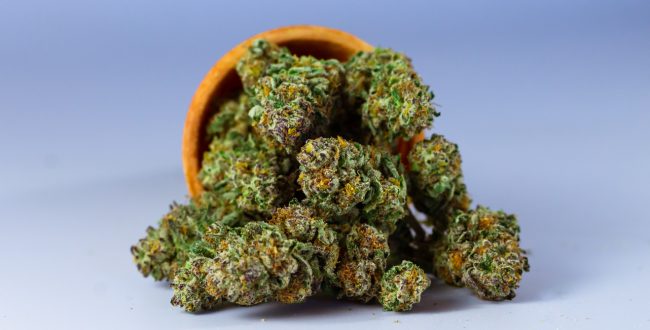
Public support for marijuana legalization has grown steadily, with nearly 60% of Americans now in favor of recreational use. As cannabis becomes more common—both medically and recreationally—it brings new legal challenges, especially in personal injury and medical malpractice cases.
Marijuana Uses and Liability
While marijuana may provide relief for medical conditions, it can also impair judgment and coordination, increasing accident risk. Unlike alcohol, THC can stay in the body long after use, making it difficult to prove actual impairment at the time of a crash.
In Hernandez v. County of Los Angeles (2014), a driver legally using medical marijuana was struck and killed by a sheriff’s deputy. The court found that introducing marijuana evidence without proof of impairment was prejudicial and ordered a new trial. This case underscores a key principle: testing positive for marijuana is not proof of fault unless it can be shown to have contributed to the incident.
Medical Marijuana and Personal Injury Claims
Even legal medical use can complicate personal injury cases. A driver who is impaired while under prescription marijuana can still be found liable for damages. Investigators often rely on physical signs—such as delayed reaction or red eyes—since lab results alone may not confirm intoxication.
Beyond traffic incidents, cannabis-related lawsuits also involve product mislabeling. In Medical Marijuana, Inc. v. Horn, a truck driver lost his job after a mislabeled CBD product caused him to fail a drug test. The case raised questions about whether such harm qualifies as a personal or economic injury—highlighting the growing intersection between product liability and cannabis use.
Medical Malpractice and Cannabis Prescriptions
As medical marijuana becomes more accepted, healthcare providers face increasing scrutiny. Errors in dosage, interactions, or documentation can lead to malpractice claims. The Law Office of Salesia Smith-Gordon emphasizes that marijuana, though often seen as “natural,” still requires the same level of care and professional oversight as any other medication.
Florida cases have shown that some physicians authorize cannabis without proper evaluations, leading to disciplinary actions. Regulators continue to monitor compliance to ensure patient safety and uphold medical standards.
As cannabis prescriptions grow, experts predict a rise in malpractice suits involving misprescribed marijuana, inadequate follow-up care, or improper handling by medical staff. Since cannabis affects each patient differently, the duty of care remains high for providers.
Marijuana-Impaired Driving in Florida
Under Florida law, drivers impaired by marijuana or other drugs can be held fully liable for damages caused by accidents. Signs of drug impairment include:
Slurred or slow speech
Poor coordination or confusion
Red or glassy eyes
Drowsiness or drifting in lanes
The smell of cannabis in the vehicle
Victims of such accidents may pursue compensation for medical bills, lost income, and pain and suffering. In cases of gross negligence, courts may also award punitive damages.
Accountability in the Era of Legal Marijuana
The growing acceptance of marijuana doesn’t erase accountability. Whether it involves impaired driving or medical negligence, both individuals and professionals can be held responsible when cannabis use causes harm.
If you or a loved one has suffered injuries due to a marijuana-impaired driver or medical error involving cannabis, you may have the right to compensation. Contact the Law Office of Salesia Smith-Gordon, P.A. for compassionate and experienced legal support in pursuing justice and recovery.
Contact our office today at 561-655-9279 for a free consultation or email us at InquiryAndQuestion@SmithGordonLaw.com, and let us help you protect your rights and seek the justice you deserve.
